
VIP member
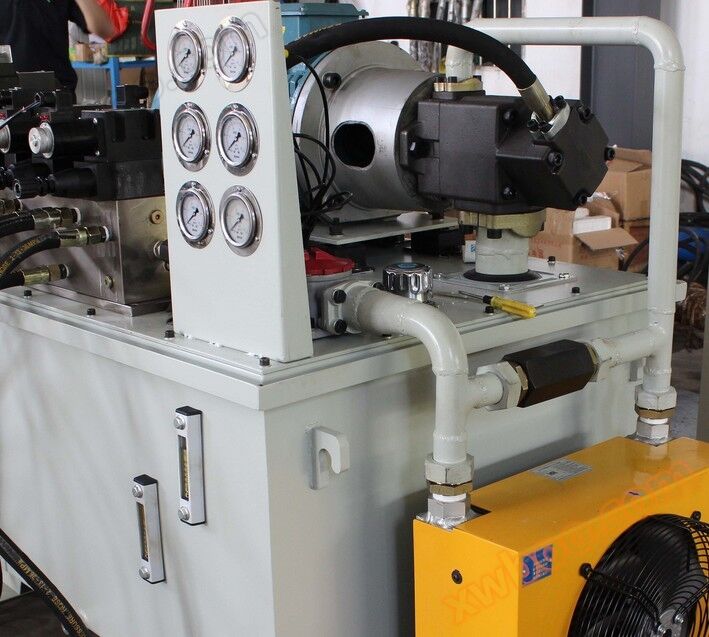
Feeding machine hydraulic system
The simple fault diagnosis method is currently the most commonly used method. It relies on maintenance personnel's personal experience and the use of
Product details
Hydraulic equipment is composed of mechanical, hydraulic, electrical and other devices, so the faults that occur are also diverse. A certain fault phenomenon may be caused by many factors, so analyzing hydraulic faults must be able to understand the hydraulic system schematic, have a general understanding of the functions of each component in the schematic, and then analyze and judge based on the fault phenomenon. The causes of faults caused by many factors need to be analyzed one by one, and the main contradictions need to be grasped in order to better solve and eliminate them. The flow of working fluid in components and pipelines in hydraulic systems is difficult for the outside world to understand, which brings many difficulties to analysis and diagnosis. Therefore, it requires people to have strong ability to analyze and judge faults. Identify the cause and location of faults in complex mechanical, hydraulic, and electrical relationships, and promptly and accurately eliminate them.
The simple fault diagnosis method is currently the most commonly used method. It relies on maintenance personnel's personal experience and the use of simple instruments to objectively understand the working condition of the hydraulic system based on faults that occur. Methods such as asking, looking, listening, touching, and smelling are used to analyze, diagnose, and determine the cause and location of the fault. The specific method is as follows:
1) Inquire with the equipment operator to understand the operating status of the equipment. This includes: whether the hydraulic system is working properly; Is there any abnormal phenomenon in the hydraulic pump; The time and results of hydraulic oil cleanliness testing; Cleaning and replacement of filter element; Have the hydraulic components been adjusted before the malfunction occurred; Have the sealing components been replaced; What abnormal phenomena have occurred in the hydraulic system before and after the malfunction; What faults have occurred in the system in the past and how they were resolved need to be understood one by one.
2) Look at ithydraulic systemObserve the actual situation of the work, whether there are problems with system pressure, speed, oil, leakage, vibration, etc.
3) Listen to the sound of the hydraulic system, such as impact sound; Pump noise and abnormal sounds; Determine whether the hydraulic system is working properly.
4) Measure the temperature rise, vibration, crawling, and tightness of the joints to determine whether the working state of the moving parts is normal.
In short, the simplified diagnostic method is only a simple qualitative analysis, which has a wide range of practicality for rapid diagnosis and troubleshooting.
Technical requirements for hydraulic system of feeding machine:
1. Before assembly, all components need to be sorted and cleaned thoroughly
2. Assemble when conditions permit, and tighten all fasteners without any looseness during assembly.
3. The length can be customized according to specific customer needs or based on on-site craftsmanship.
4. Unqualified products must be strictly controlled and not assembled.
5. After assembly, the overall appearance is beautiful and clean.
Tag: Hydraulic System Product Series
Related links:hydraulic cylinder Hydraulic Power Unit
本文地址: http://www.shziying.com/product/product292.html
more
Previous: None Next: None
Online inquiry
-
Contacts
-
Company
-
Telephone
-
Email
-
WeChat
-
Verification Code
-
Message Content
-