
VIP member
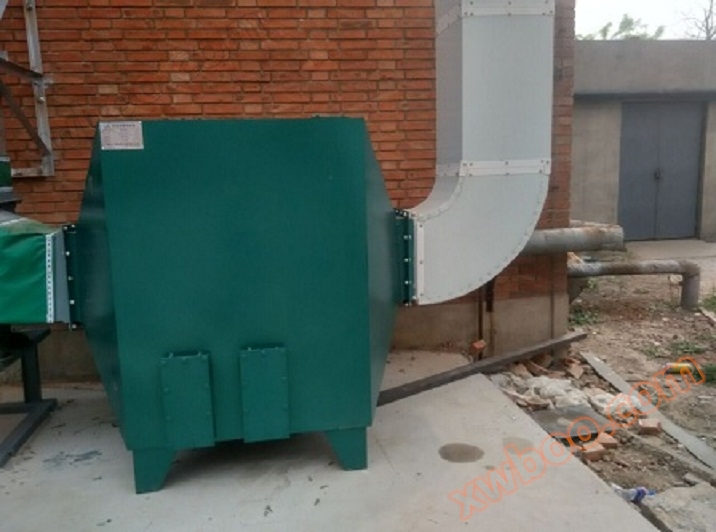
Solution for solvent absorption of waste gas in Shandong Chemical Plant
Solution for solvent absorption of waste gas in Shandong Chemical Plant
Product details
Solution for solvent absorption of waste gas in Shandong Chemical Plant
Keywords: solvent absorption, chemical waste gas adsorption, solvent absorption waste gas, waste gas treatment equipment
A solvent is a liquid that can dissolve gases, solids, and liquids into a homogeneous mixture. Solvent, also known as flux, water is the most widely used solvent. Alcohol, gasoline, benzene, and other organic solvents are commonly used.
A solvent is a liquid that can dissolve gases, solids, and liquids into a homogeneous mixture. Solvent, also known as flux, water is the most widely used solvent. Alcohol, gasoline, benzene, and other organic solvents are commonly used.
Solvent absorption equipment, solvent absorption waste gas process, solvent treatment waste gas solution design manufacturer,The structure of solvent adsorption is simple, the gas-liquid distribution is uniform, the operation is convenient, the energy consumption is low, the treatment effect is good, and it can achieve long-term standard discharge.The solvent adsorption equipment has a good effect on treating small harmful gases, and there is no waste liquid generated during the entire gas collection and treatment process. The solvent can be reused.
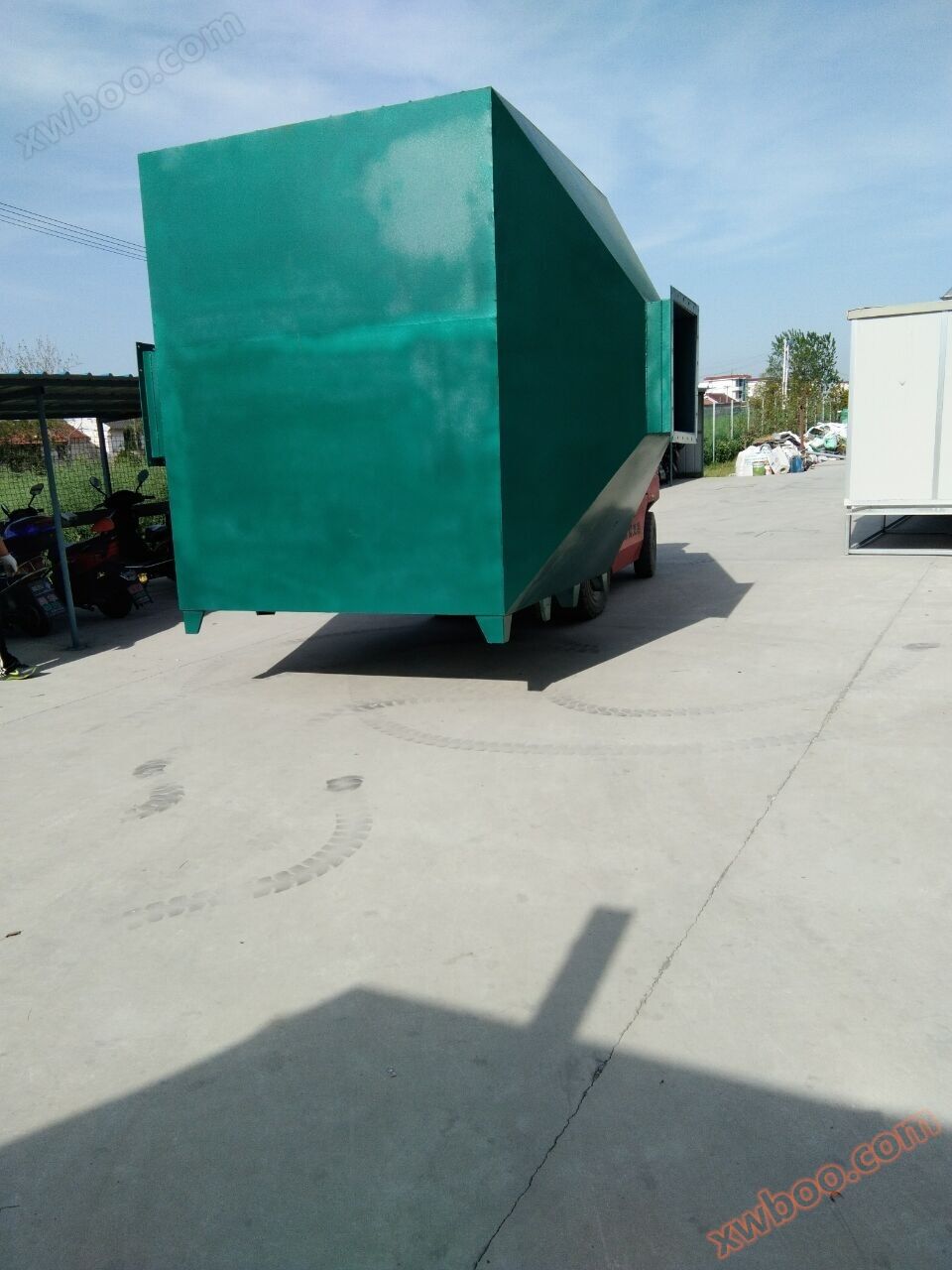
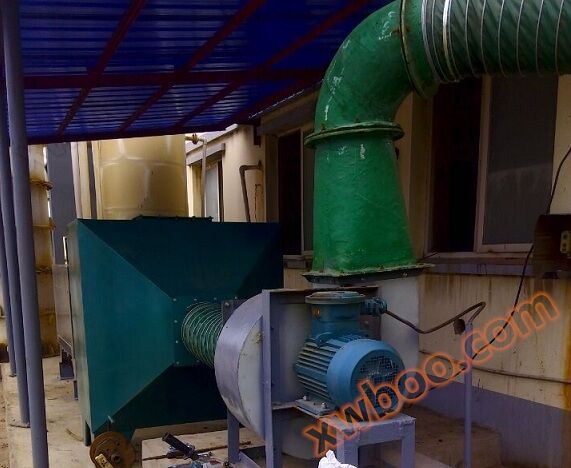
Advantages of solvent absorption scheme:
1. The structure of solvent adsorption is simple, the gas-liquid distribution is uniform, the operation is convenient, the energy consumption is low, the treatment effect is good, and it can achieve long-term standard discharge.
2. The design has high elasticity and processing capacity, and is not easily blocked by solid and viscous materials, making it suitable for a wide range of industries.
3. Stable efficiency, using formulated inorganic or organic absorption solvents to absorb exhaust gas, not only has high purification efficiency but also a long service life. Due to enhanced mass transfer, the tower volume can be reduced. Purification and removal methods for odors in printing and dyeing workshops
4. The entire gas collection and processing process does not generate any waste liquid, and the solvent can be reused.
5. The absorbed exhaust gas is distilled into solvents (exhaust gas components) and solvent monomers through distillation equipment, both of which can be reused.
6. The solvent adsorption method can be used as one of the ways to purify the workshop environment: the exhaust gas is not discharged, which is conducive to maintaining the workshop environment, temperature, and humidity, and is energy-saving and environmentally friendly.
7. Normally, the investment cost can be recovered within six months to two years.
Applicable Industries
Automotive parts, electronic products, painted gold jewelry, precision casting, hardware manufacturing, sports equipment, artificial leather, plastic products, coatings, chemical industry, LED products, FRP products, tree limbs, shoe materials, LCD optical products, electroplating and spraying industries
Combining activated carbon (fiber) adsorption, desorption, condensation recovery and other unit processes to achieve resource recovery of single and mixed solvents.
The scope of application is applicable to the treatment of high concentration, multi-component organic waste gases generated in the production processes of industries such as petrochemicals, indicating spraying, printing, adhesive tapes, and solvent storage.
The purified exhaust gas meets the relevant pollutant limits of GB16297-1966 "Comprehensive Emission Standards for Air Pollutants". 2) The solvent recovery rate is greater than 80%, and the exhaust gas purification rate is greater than 93%.
Online inquiry
-
Contacts
-
Company
-
Telephone
-
Email
-
WeChat
-
Verification Code
-
Message Content
-